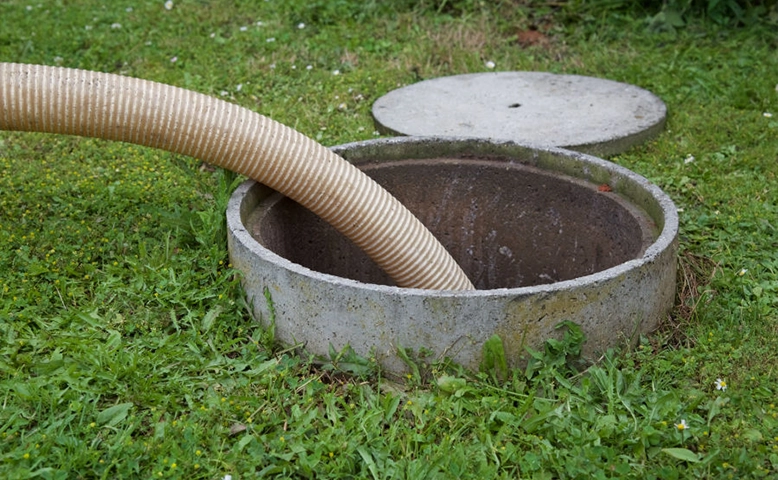
Your septic system works underground every day. It takes used water from toilets, sinks, and showers. Then it holds solids in a buried tank. Next, the clearer liquid moves into a drainfield in your yard. There, the soil and natural microbes help clean that water. Because the system stays hidden, small problems can grow quietly. So, it helps to know the early signs. If you act early, you can avoid a messy backup. You can also protect your home and your yard. If septic care feels confusing, that is normal. Still, a few simple checks can guide you. So, a few minutes now can help you avoid stress later today. Below are seven signs your septic system may need attention.
Septic Pumping McGregor: 7 Costly Warning Signs
If one sink drains slowly, you may have a simple clog. However, when many drains slow down together, the septic system may be stressed. The tank has limited space, so it can fill over time. Then, the liquid cannot leave the tank as fast. Also, a clogged filter can slow the flow to the drainfield. You may notice the shower drains slowly at first. Next, the kitchen sink may drain in waves. Then, the toilet may flush but refill slowly. Because these signs can come and go, people often ignore them. Still, the cause often stays. So, watch the pattern for a week.
Small checks you can do:
- First, see if two or more drains are slow.
- Then, notice if slow drains get worse after laundry.
- Also, listen for gurgles after water goes down.
If the slowdown keeps coming back, call for a septic check. Republic Site Services LLC can inspect and service the system.
Gurgling Toilets That Signal Urgent Septic Service
A toilet should flush and clear fast. So, if you hear gurgling, air may be trapped in the line. This often happens when wastewater cannot move forward. Then, air pushes back through the closest drains. You might flush once and hear bubbling in a tub. Next, you might hear a sink “glug” a minute later. Because the sounds feel small, people wait. However, gurgles can warn you before a backup starts. Also, gurgles may show up with slow drains at the same time. Common causes to ask about:
- A full tank leaves little room for new waste.
- Also, roots can squeeze a pipe outside.
- Then, a crushed pipe can narrow the flow path.
- In some homes, a filter needs cleaning.
So, cut water use for the day if you can. Then, schedule service to find the cause.
Outdoor Sewage Odors That Mean You Need Septic Services
You should not smell sewage in your yard. However, odors near the tank lid can happen when a seal fails. Also, odors near the drainfield can show poor drainage. Septic tanks make gases as bacteria break down waste. So, the lid and riser seals must stay tight. If a cover shifts or cracks, gas can leak out. Then, the smell may get stronger after heavy water use. Sometimes the roof vent is blocked, so odor finds a new path. Because gases can be harmful, do not open the tank yourself.
What to notice before you call:
- First, note where the smell is strongest.
- Then, check if the smell rises after showers.
- Also, watch if smells show up after rain.
So, call a septic team to check lids, seals, and vents. Republic Site Services LLC can handle septic service and keep your yard safer.
Soggy Ground Above The Septic Tank Signals Leaks
The drainfield should stay dry on top. So, wet patches can mean the soil cannot absorb liquid well. A drainfield uses pipes with small holes to spread water. Then, the soil needs air gaps to treat that water. However, when soil stays soaked, it loses those air gaps. Next, water may rise closer to the surface. You might feel soft ground under your shoes. Also, the grass over the field may look greener than the nearby areas. Because that liquid can carry germs, keep kids and pets away.
Things that often lead to wet spots:
- Too much water is used in one day.
- Also, heavy rain can saturate the soil.
- Then, solids can clog the field over time.
So, reduce water use for a short time. Then, call for a drainfield check to stop surface pooling.
Indoor Sewage Backups That Demand Septic Service
Sewage coming back inside is a serious warning. So, if waste rises in a tub or shower, stop using water right away. Because the system cannot move wastewater out, each flush makes it worse. You may also see water near a basement floor drain. Then, you may smell sewage indoors. At that point, quick action can limit damage.
Do these steps right now:
- First, stop showers, laundry, and dishwashing.
- Then, keep people away from the wet area.
- Also, keep pets away from wet spots outside.
Do not try harsh drain chemicals. Those chemicals can harm the helpful bacteria in the tank. So, wear gloves if you must clean, and wash your hands well. So, call for septic service the same day. If your restroom is out of use, Republic Site Services LLC can set up portable toilets.
Heavy Rain And Flooded Drainfields In McGregor
Rain can change how a septic system acts. Because wet soil absorbs less liquid, the drainfield may slow down. Then, normal water use can cause trouble. You may notice slow drains a day after heavy rain. Also, you may see wet spots near the field. Even if the tank is not full, the soil may not accept more water. So, your home water habits matter most during wet weeks.
Ways to lower stress after rain:
- First, spread laundry across several days.
- Then, take shorter showers for a few days.
- Also, fix running toilets as soon as you can.
- Next, avoid long faucet runs during dishwashing.
Also, divert roof water away from the drainfield if possible. So, write down the dates when issues follow rain. Then, share that pattern with your septic provider for better diagnosis.
How Skipping Septic Pumping McGregor Cuts System Life
Regular pumping removes sludge and scum from the tank. So, when you skip pumping, solids build up. Then, those solids can move toward the outlet pipe. If they reach the drainfield, they can clog the soil. Many county health offices suggest pumping every three to five years. However, the right timing depends on tank size and family size. A common home tank is about 1,000 gallons. So, a larger family may need pumping sooner. Also, heavy water use can shorten the time between pump-outs.
Signs you may be overdue:
- You cannot recall your last pump date.
- Also, you moved in with no septic records.
- Then, more people now live in the home.
So, set a reminder and keep a simple service log. Then, call Republic Site Services LLC to plan your next pump-out.
What To Do When These Septic Warning Signs Appear
Septic problems feel stressful, but you can take control. First, watch for slow drains, gurgles, smells, and wet spots. Then, cut back water use when signs start. Also, keep wipes, grease, and harsh cleaners out of drains. Next, keep cars and heavy tools off the drainfield. If you want help, call Republic Site Services LLC for septic service. They can inspect, pump, and fix small issues early. Also, ask about portable toilet service for events or work sites. Call Republic Site Services LLC today and schedule your septic check.